OptionZ Supra: The Alternate Reality Icon, Part One.
Performance Divergence
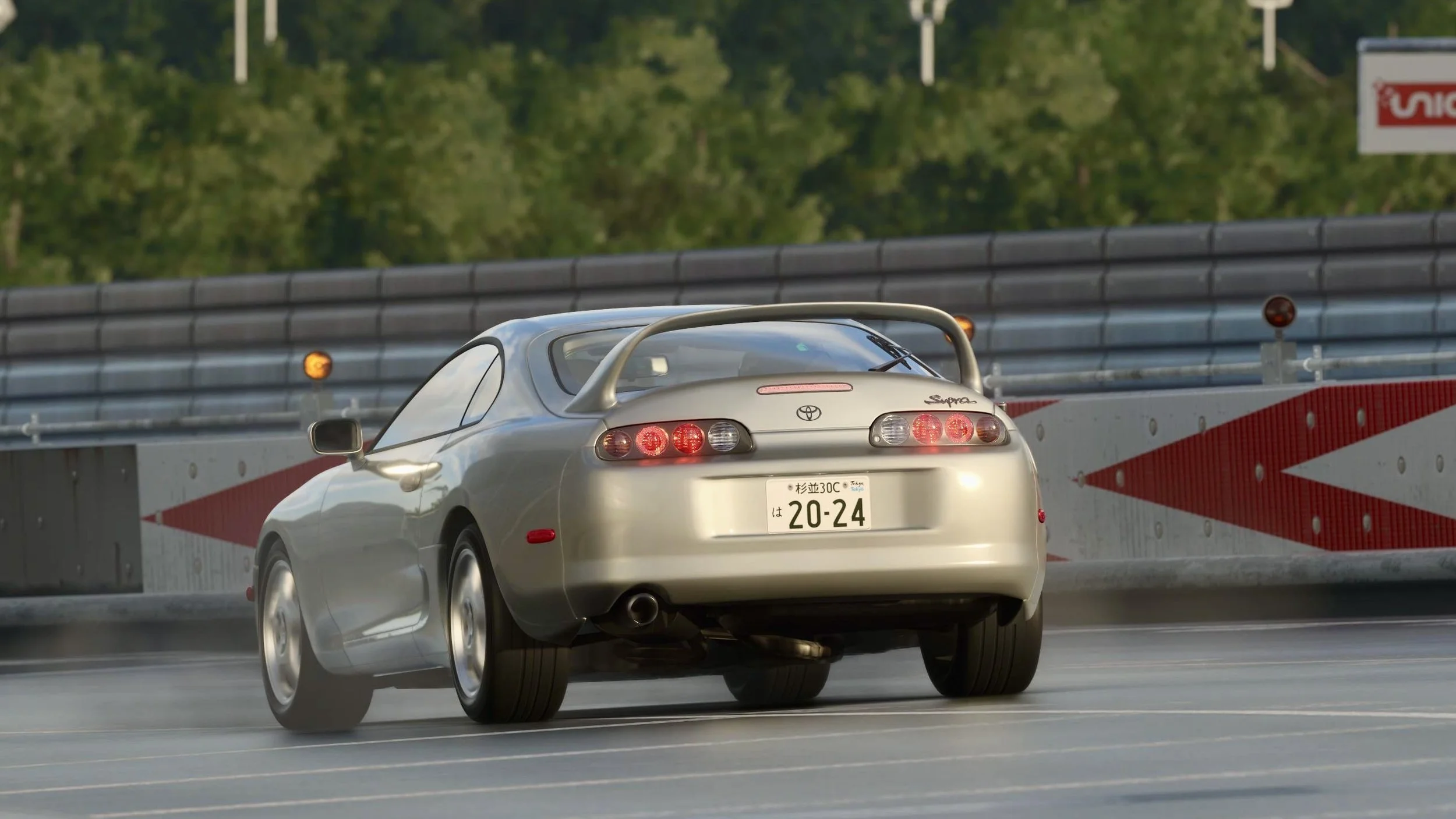
Gran Turismo could be the last place you can experience an unmodified A80 Supra (Source: OptionZ via Gran Turismo)
By the mid-1990s car enthusiasts in Japan were in the midst of a Golden Age. Japanese manufacturers had pulled cover after cover off the bodies of glorious performance vehicles, the majority of which would go on to become legendary. Never before had the automotive industry produced so many engineering masterpieces in so short a time.
The A80 Toyota Supra was one such masterpiece. A powerful, reliable and deceptively agile rear-wheel drive coupe, the A80 Supra was already one of the great sports cars of its era, but tuners took it further. Much further, in fact. It took no time at all for them to discover the Supra’s over-engineered 2JZ 6-cylinder engine could handle far more power than the 276bhp stated by Toyota. What followed was a horde of highly-modified vehicles with hundreds of horsepower more than the factory car offered, and those cars defined the legacy of the A80 as much as the original offering.
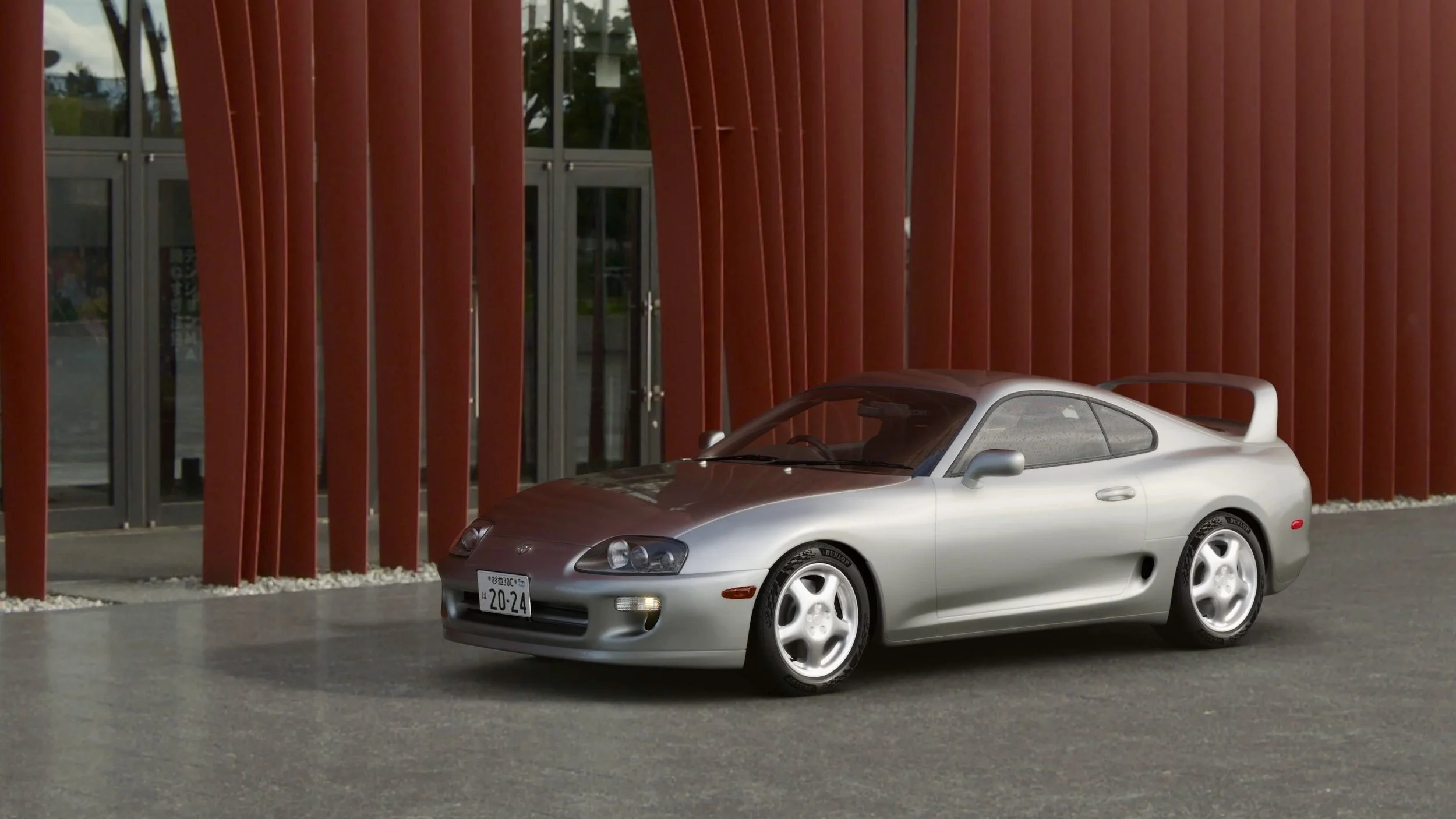
Despite being over 30 years old, the A80 Supra still looks fresh (Source: OptionZ via Gran Turismo)
While this was happening, European manufacturers were producing something similar, but different. With their tendency to lean into luxury and refinement, they commanded a high price tag, but unlike their Japanese counterparts, they weren’t tied to a “gentleman’s agreement” that restricted (very loosely) sports cars to a 276bhp limit.
Power outputs are merely a tiny part of what makes a performance car special however. BMW’s M-cars and Porsche’s 911s - and at the time, recently introduced Boxster - demonstrated that. They were powerful, but they demonstrated balance and driver communication as well as anything else available at the time. As a result of that, European tuning of those cars didn’t follow the same roads as many Supras ended up blasting down.
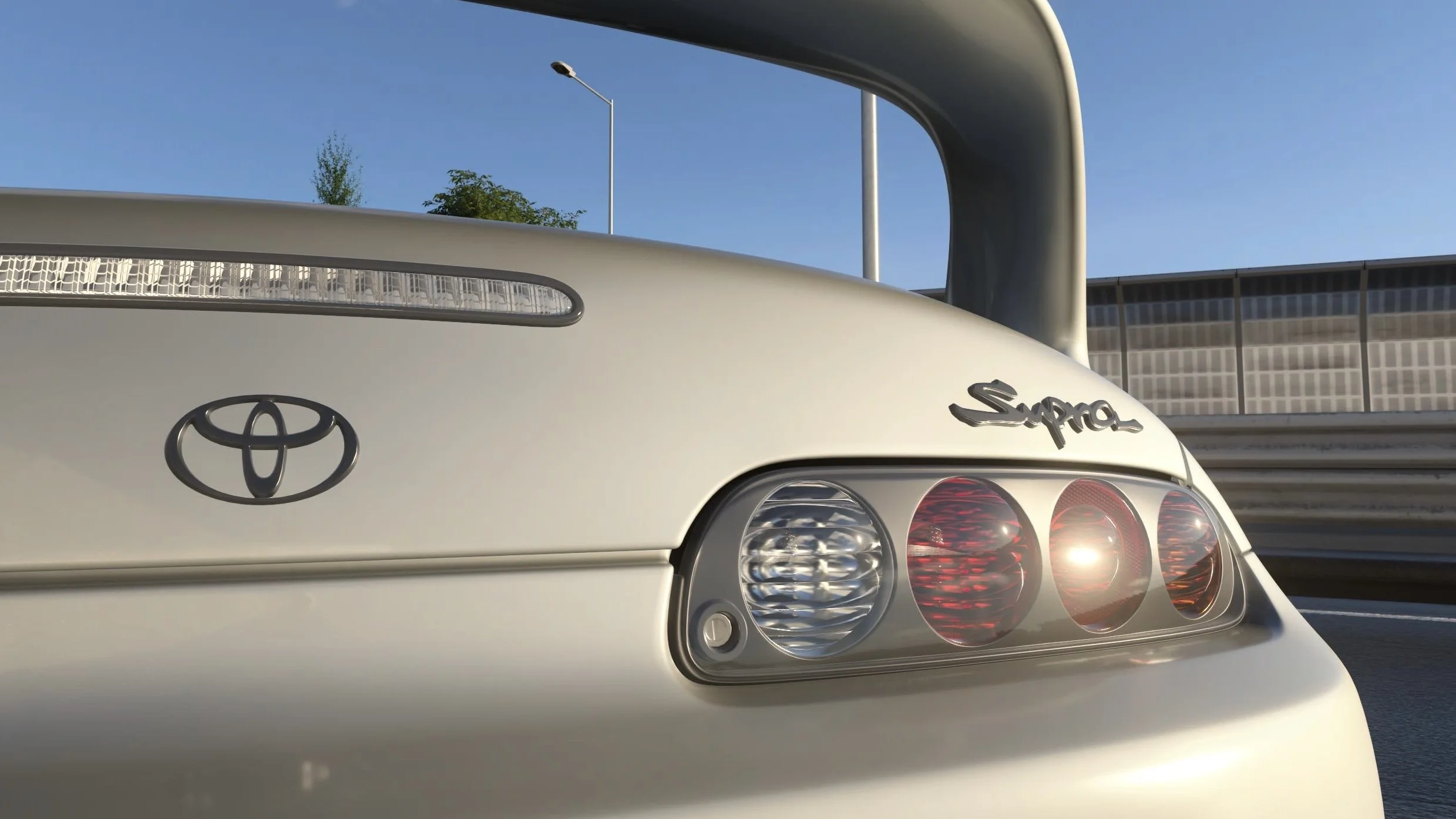
The Toyota Supra’s 2JZ engine is quite capable of handling over 1,000bhp (Source: OptionZ via Gran Turismo)
As it turns out, Toyota and BMW later collaborated on the return of the Supra in 2019. That car, designated A90, ended production this month, and received a mixed response in comparison to the A80. Much of that was down to the fact that it shared almost all of its DNA with the G29 BMW Z4, and was even built in the same Austrian factory. It was more BMW in spirit than Toyota, and that bothered fans of the A80.
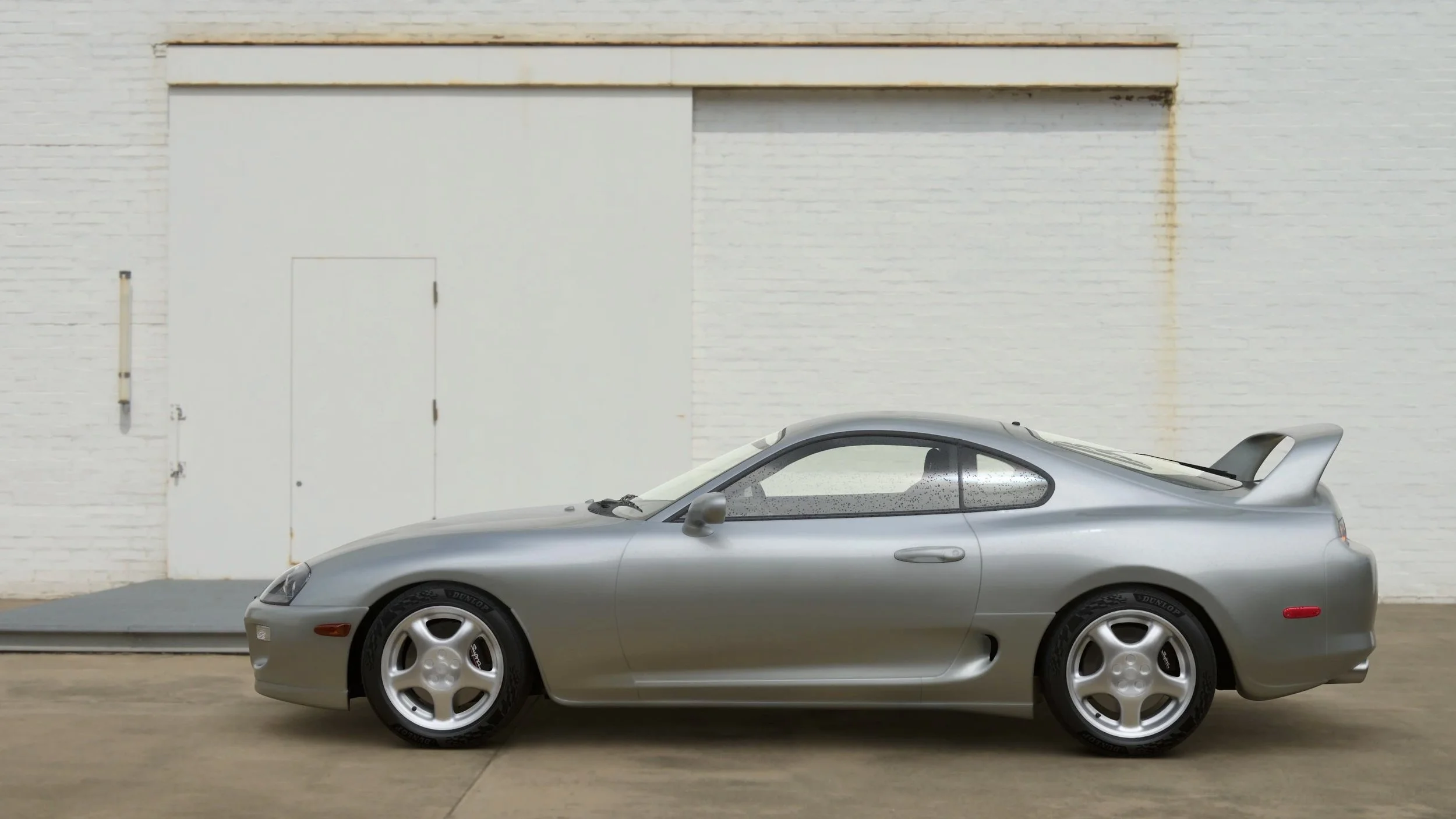
Some love the Supra’s aggressive rear wing, others find it’s not in keeping with the design (Source: OptionZ via Gran Turismo)
At OptionZ, we’ve explored a different timeline. A European-Japanese Supra collaboration that started 20 years earlier. How would a Japanese tuned Supra of the 1990s look and feel if a partnership had formed earlier than it did in our timeline? In part two, we’ll show you how that exploration translated into the final machine.
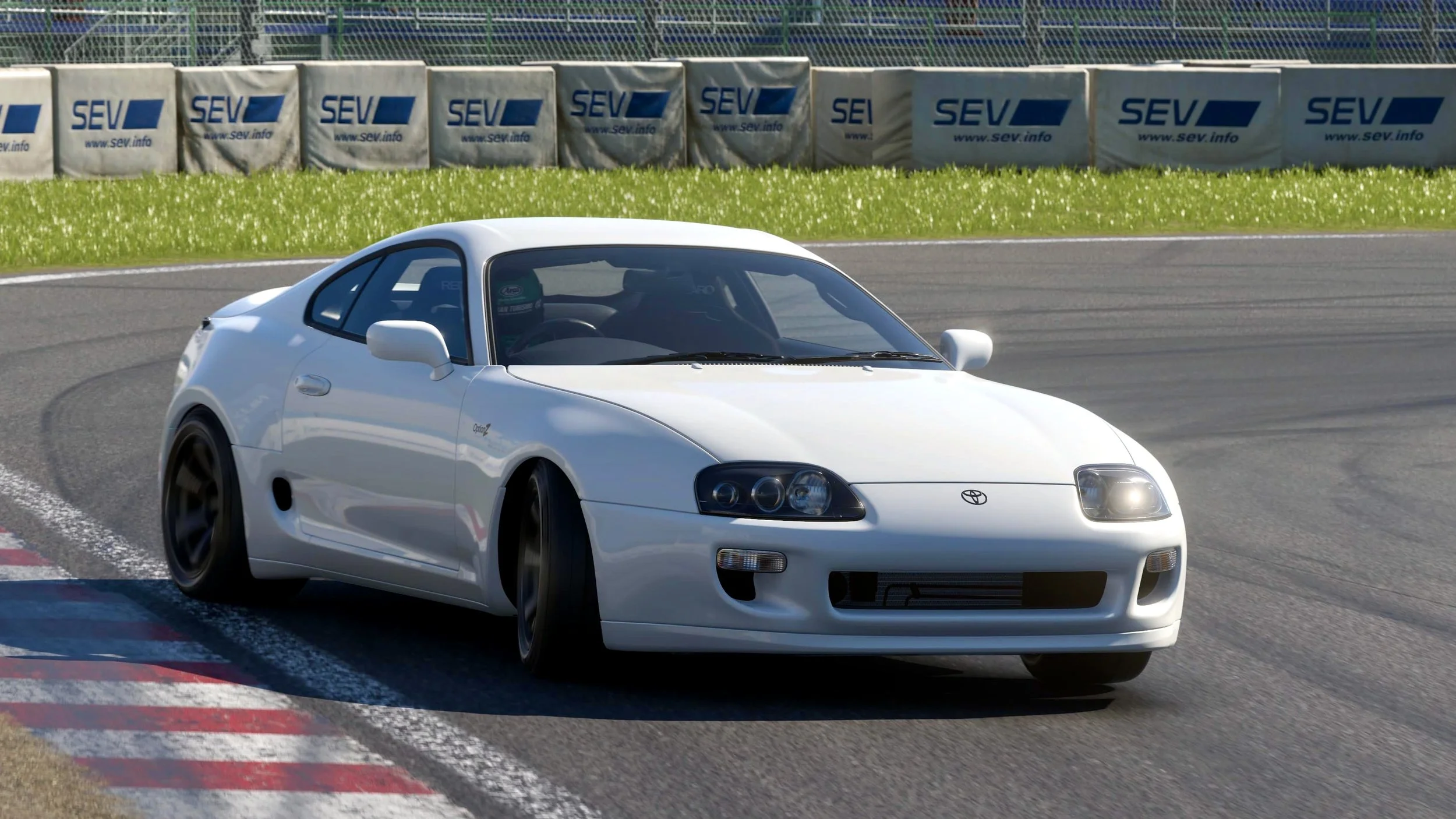
The OptionZ Supra build explores an alternate timeline (Source: OptionZ via Gran Turismo)