How a rusting, scuffed-up hand-me-down captured my heart.
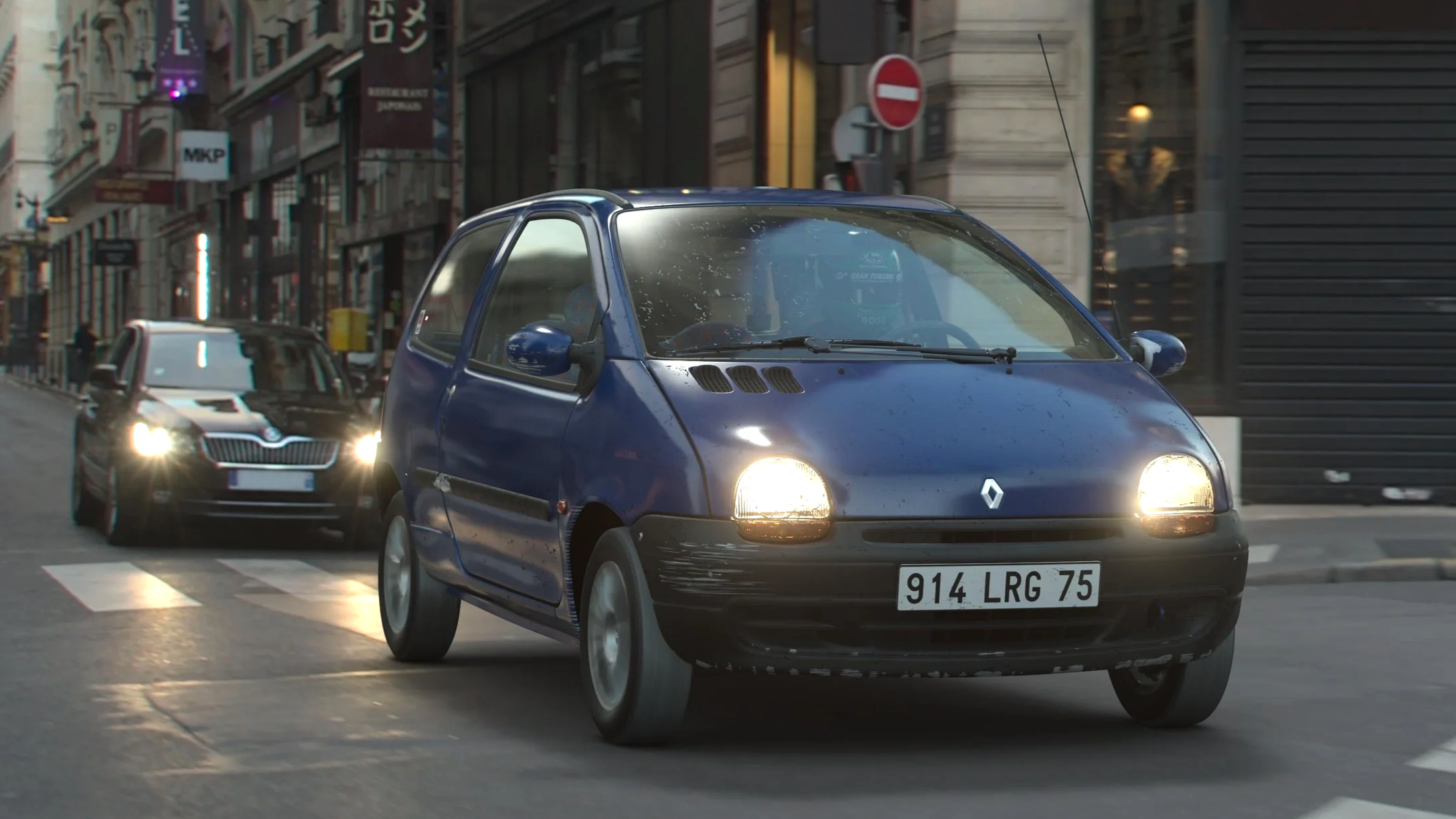
An unusual sort of charm (Source: OptionZ via Gran Turismo)
With her famously inappropriate jokes and questionable driving standards, Ana was truly Parisian.
Her bold, sometimes confrontational spirit gave her an edgy sort of charm, and she had no sentimentality whatsoever towards the cleaner, more romantic side of the French capital. In short, Ana didn’t give a fuck. It was brilliant.
Ana, like many young French people, had a 1993 Renault Twingo. It was battered, permanently dirty, and like all Parisian Twingos, somewhat reminiscent of a stray cat. You’ll see plenty of roving, rough-looking Twingos on the road there. Try and spot one without any damage. I’ll wait.
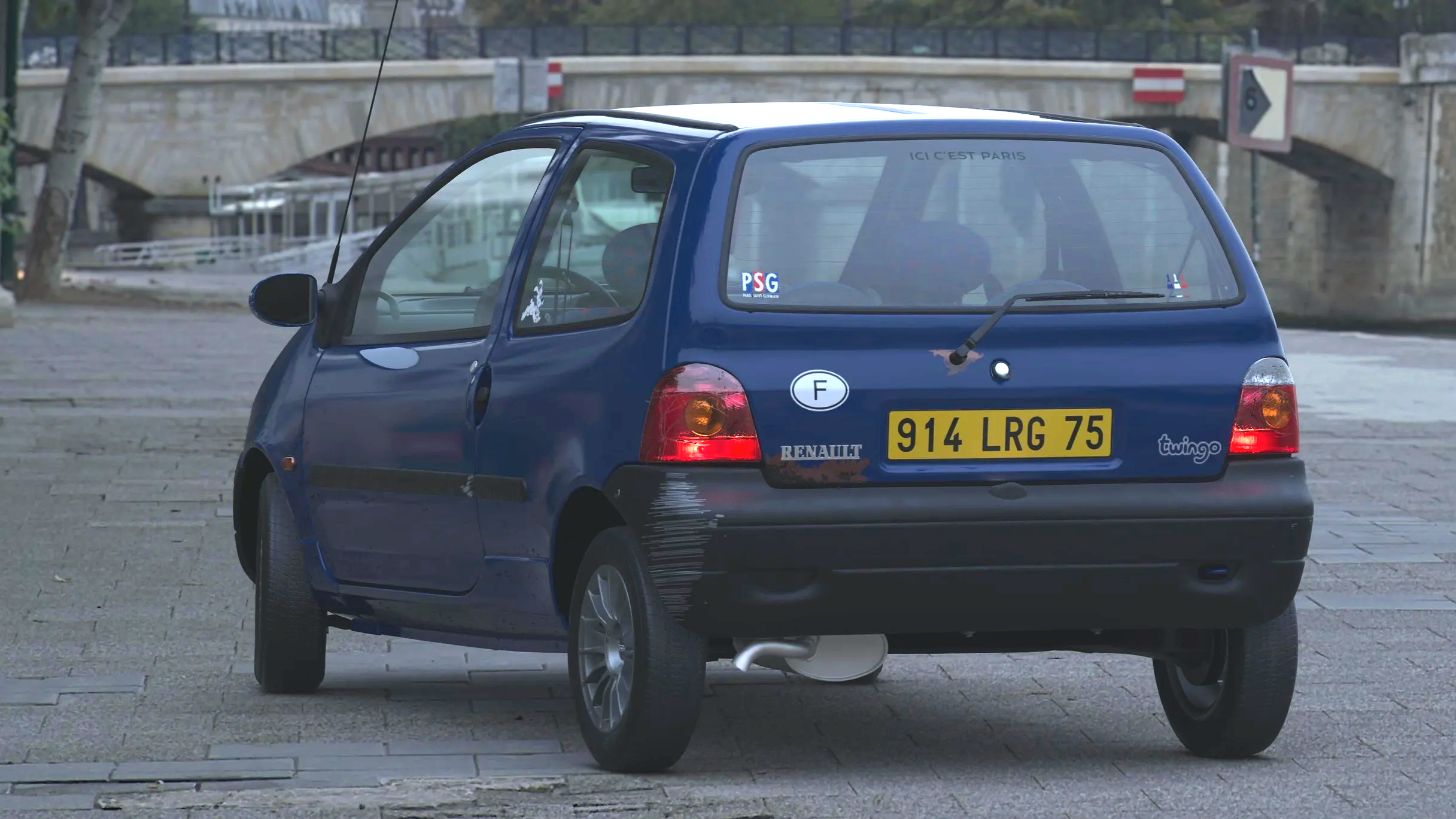
Before “patina” was a buzzword (Source: OptionZ via Gran Turismo)
She didn’t really want that car. It was handed down to her by her older brother after he decided he wanted to try his luck with motorcycling. It was basically a free car, and you can’t turn that down.
The Twingo actually sat on wheels worth more than the car itself. Back in 2004, her brother had taken a road trip with his friends to Ajaccio for the Tour de Corse. On his return, he shelled out a good sum of money on some OZ alloy wheels. He insisted it made the Twingo quicker. Of course, that money could have been spent on cosmetic fixes here and there, but then again, if it isn’t damaged, is it even a real Twingo?
“It was gloriously shit, which was why it was brilliant.”
In the rear windscreen sat an old PSG sticker, a remnant from an owner prior to her brother. It gave Ana the idea to add a charming Dogmatix sticker, along with one or two others. She also added a few scratches to the bumpers, a customisation option that wasn’t planned or budgeted for.
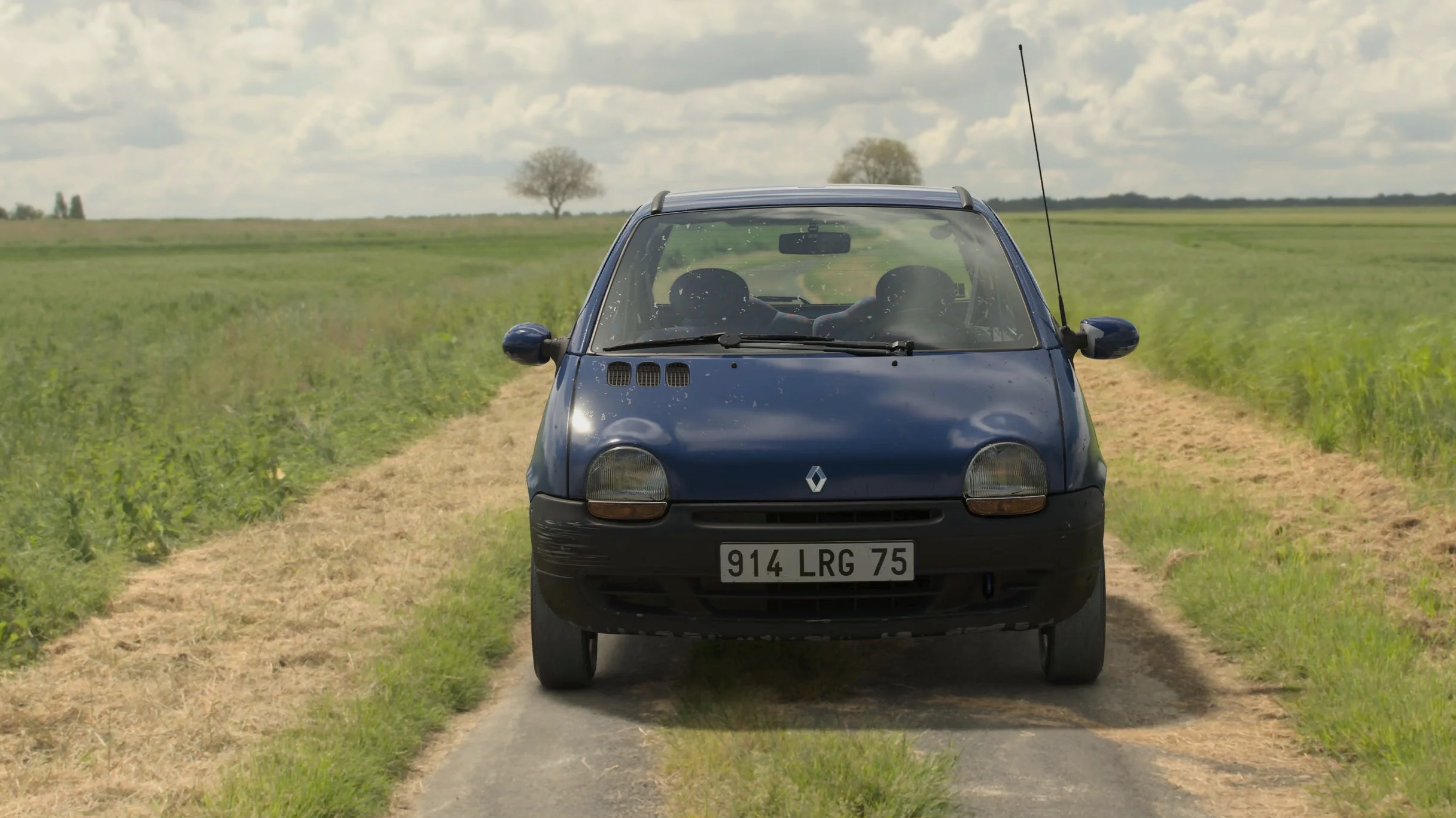
Despite her driving, Ana’s little Twingo took me to places I’m not even sure really exit (Source: OptionZ via Gran Turismo)
I loved Ana’s Twingo. It was gloriously shit, which was why it was brilliant. It was underpowered, rusting in places, had paint damage and scratches on just about every surface… it looked like it had never seen a day of love in its life.
We took it out to some villages on the outskirts of the city once or twice, where house parties and Raclette devouring led to long, memorable nights and brutally sore heads the following morning.
This was before smartphones, of course. We all lived in the moment, something I’m not sure is even possible now. Looking back, I actually don’t know how we ever found our way there. We didn’t use navigation. One night on a drive out of Paris, a scooter got too close to Ana’s wing mirror and half ripped the thing off. She kept gaffer tape in the boot. A quick repair and it was back to the journey out of the city.
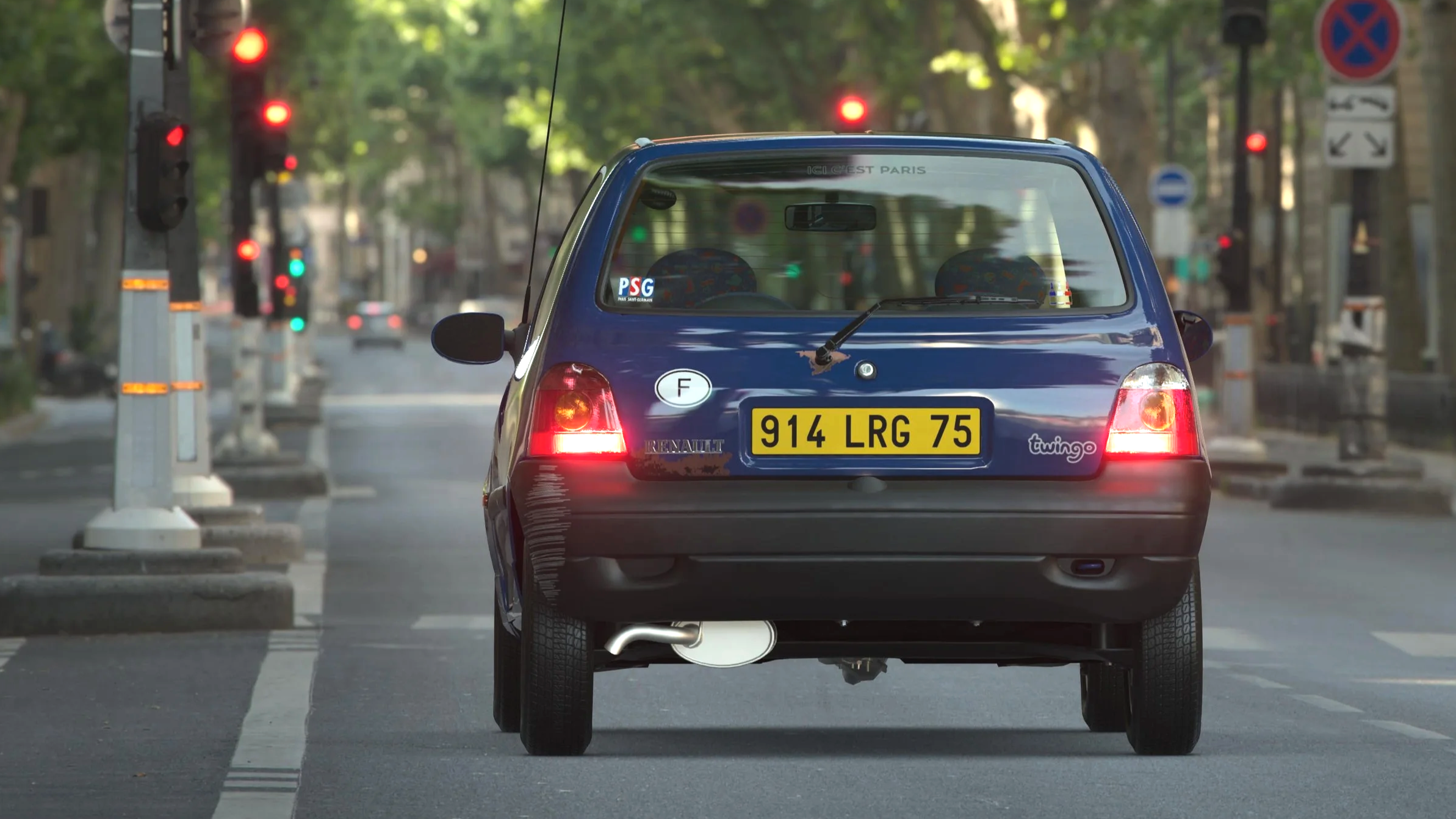
Somebody once thought this car deserved to ride on OZs… (Source: OptionZ via Gran Turismo)
I can vividly picture that house, the adjacent farm, and the village itself, but I have no idea where it actually was. I might never know. That gives the whole thing a dreamlike quality. I know it happened, but all these years later, it feels like I can’t prove it was real.
Ana’s Twingo stayed with her for seven years. In that time, it carried her across France, to the sea and up into the mountains, through the barbarian hellscape of central Paris’s road network, and even once to Wales.
“This car opened the doors to the world. It provided young people with their first real independence.”
Eventually, time took its toll on the little hatchback, and it became scrap metal, like so many first-generation Twingos. She replaced it with a 2010 Renault Clio. It wasn’t the same.
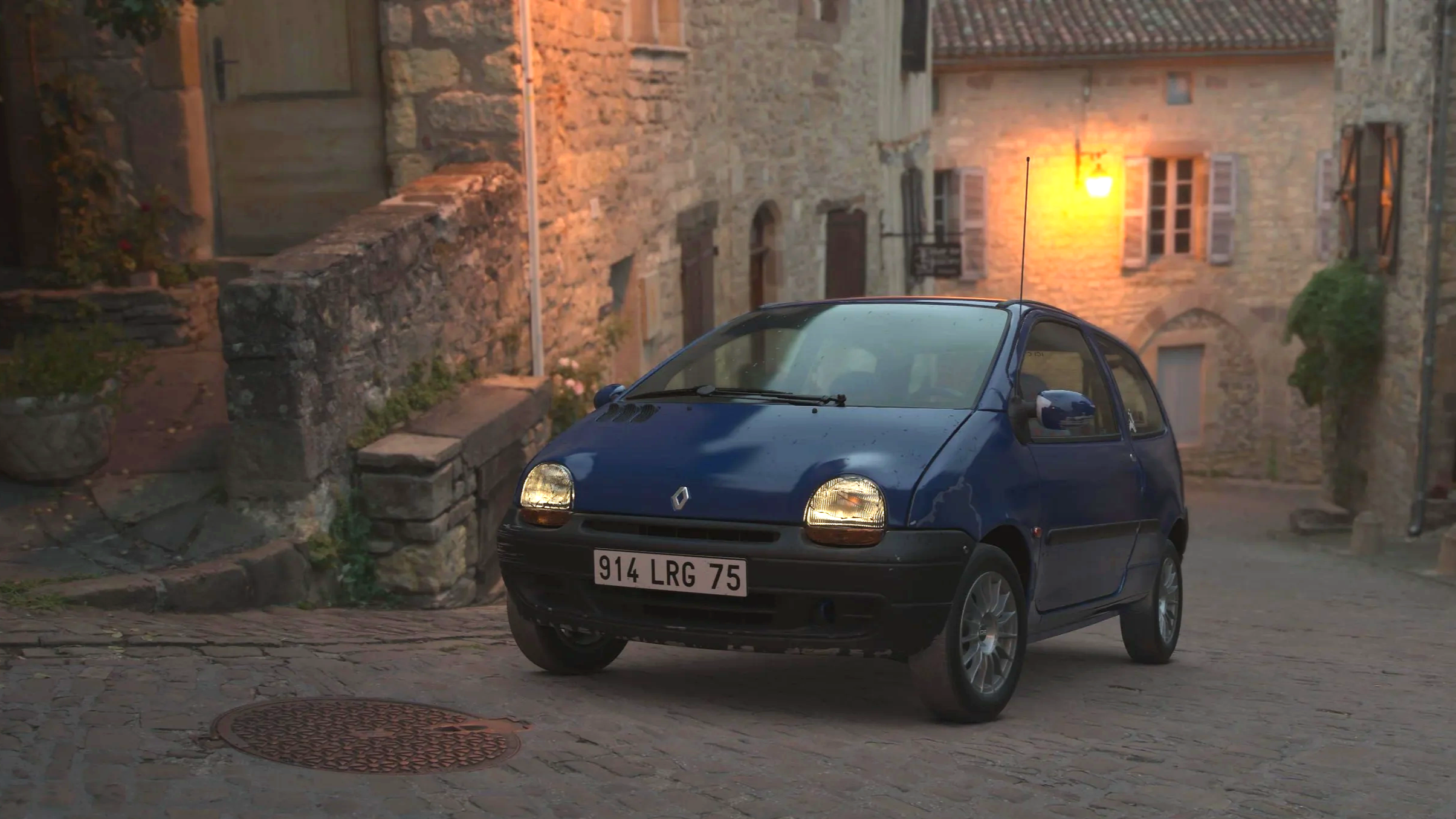
Thanks to GT7’s decal experts, I can recreate the memory of the Twingo (Source: OptionZ via Gran Turismo)
Ana’s story is one of hundreds of thousands. The Renault Twingo was never just a car. It was a canvas for memories. Every scratch, every faded sticker, every late-night drive to see friends or escape the city for a weekend… all of it became part of her story.
Many young people had the same experience with the same little car. Many still do.
That is what makes the Twingo special. It isn’t performance or rarity. It isn’t prestige. It’s something so much more valuable than that. It’s freedom.
This car opened the doors to the world. It provided young people with their first real independence. The freedom of getting lost and somehow still finding your way back. The freedom of a car that asked absolutely the bare minimum from you while quietly giving you everything it could.
Gran Turismo can’t simulate that, but it can remind us of it.
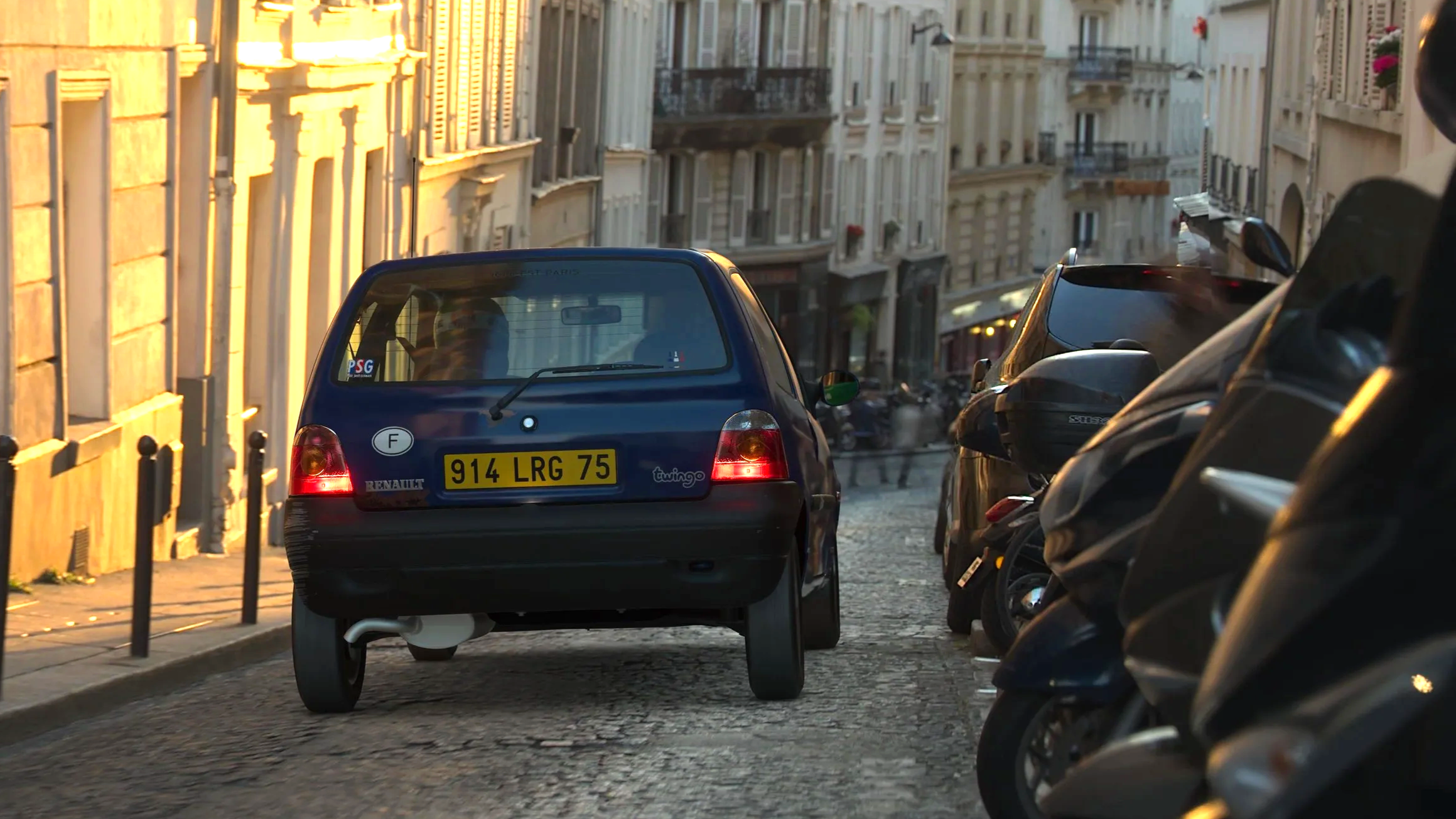
This particular Twingo lived until about 2011 (Source: OptionZ via Gran Turismo)
When you drive the Twingo in-game, don’t judge it by its performance figures. Select cockpit view and try to picture the life that car might have contained once upon a time. Conversations, arguments, cheap cigarettes, bad music, long drives. Hundreds of thousands of people climbed in and out of those little doors carrying entire versions of their lives with them.
Ana’s Twingo is long gone now, reduced to scrap metal somewhere, like so many first-generation Twingos before it. I still remember the smell of the inside though, the cheap stickers on the glass, the ridiculous little OZ wheels, and the way it always looked livid to be still living.
That car no longer exists. And yet, somehow, it still does. Not in metal, but in memory.
What a great car, hey?